
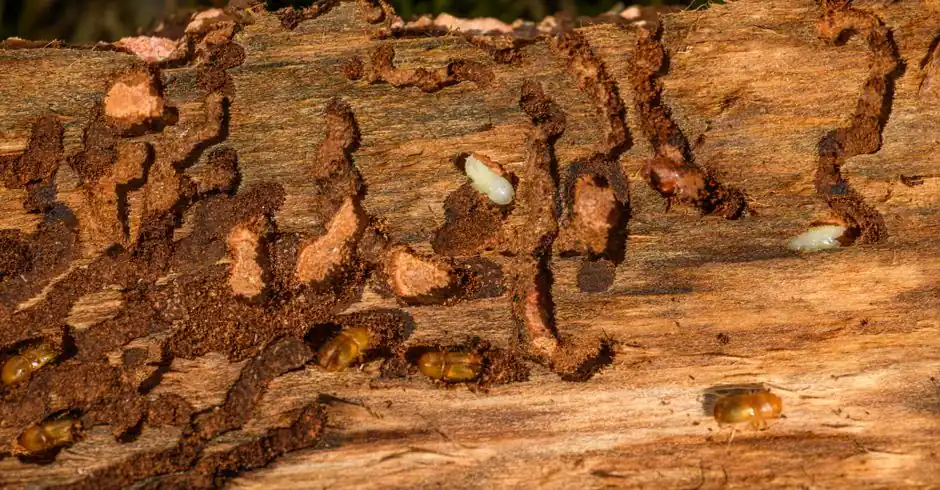
Termites can silently wreak havoc on your home, causing significant damage before you even realize there's a problem. Identifying the signs of termite damage early can save you from costly repairs and extensive infestations. In this article, we will discuss how to recognize these signs and what steps to take if you suspect a termite problem in your home.
Understanding Termites
Termites are small insects that feed on wood, paper, and other cellulose materials. There are several species of termites, but the most common ones found in Virginia are the Eastern Subterranean Termite and the Formosan Termite. Subterranean termites live in colonies underground and are known for their destructive feeding habits. In Virginia, the humid climate provides an ideal environment for these pests, making it crucial for homeowners to be vigilant.
Signs of Termite Damage
Recognizing the signs of termite damage is essential for early intervention. Here are some common indicators:
- Wood Damage: Look for hollowed-out wood, which may sound hollow when tapped. This is a clear sign of termite activity.
- Frass: Termite droppings, known as frass, resemble small pellets and can often be found near infested wood.
- Swarmers: During the spring, winged termites may swarm in search of new nesting sites. Finding wings near windows or doors can indicate a nearby infestation.
- Mud Tubes: Subterranean termites build mud tubes to travel between their nests and food sources. These tubes can often be found along foundations and walls.
Common Areas Affected
In Virginia, certain areas of your home are more susceptible to termite damage. These include:
- Basements and Crawl Spaces: These areas provide moisture and shelter, making them prime targets for termites.
- Wooden Structures: Any wooden elements, such as beams, joists, and siding, can be affected.
- Decks and Patios: Wooden decks and patios are often in contact with soil and can attract termites.
What to Watch Out For
When inspecting your home, pay attention to the following:
- Unexplained holes in walls or ceilings.
- Soft or spongy wood.
- Cracks in the foundation or walls.
- Signs of moisture, which can attract termites.
Homeowners in areas like Richmond should be particularly vigilant, as the warm climate can exacerbate termite issues.
When to Call a Professional
If you notice any signs of termite damage, it's crucial to act quickly. Contacting a professional pest control service can help assess the situation and implement effective termite control in Virginia. These experts can provide thorough inspections and recommend the best course of action to protect your home.
Frequently Asked Questions
How can I prevent termite infestations?
Regular inspections and maintaining dry conditions around your home are key. Ensure proper drainage and seal any cracks in your foundation.
What should I do if I find termites?
Contact a pest control professional immediately. They can assess the damage and recommend treatment options.
Are termites covered by homeowners insurance?
Most homeowners insurance policies do not cover termite damage. It's important to check your policy details.
How long does it take to get rid of termites?
The duration of treatment depends on the severity of the infestation, but it can take anywhere from a few days to several weeks.
Can I treat termites myself?
While there are DIY solutions available, they are often less effective than professional treatments. It's best to consult with experts.
Get help with Pest Control in Virginia
If you're concerned about termite damage in your home, don't wait until it's too late. Contact Virginia Pest Pros for expert assistance. Our team is ready to help you protect your home from termites and other pests.
Call us today at (866) 605 4304 for a comprehensive inspection and effective pest management solutions.