Preparing your home for pest control in Chesapeake is crucial for ensuring the effectiveness of the treatment. A well-prepared home allows pest control professionals to work efficiently and minimizes the chances of pests returning. This article will guide you through the necessary steps to prepare your home for pest control services.
Understanding Pest Control
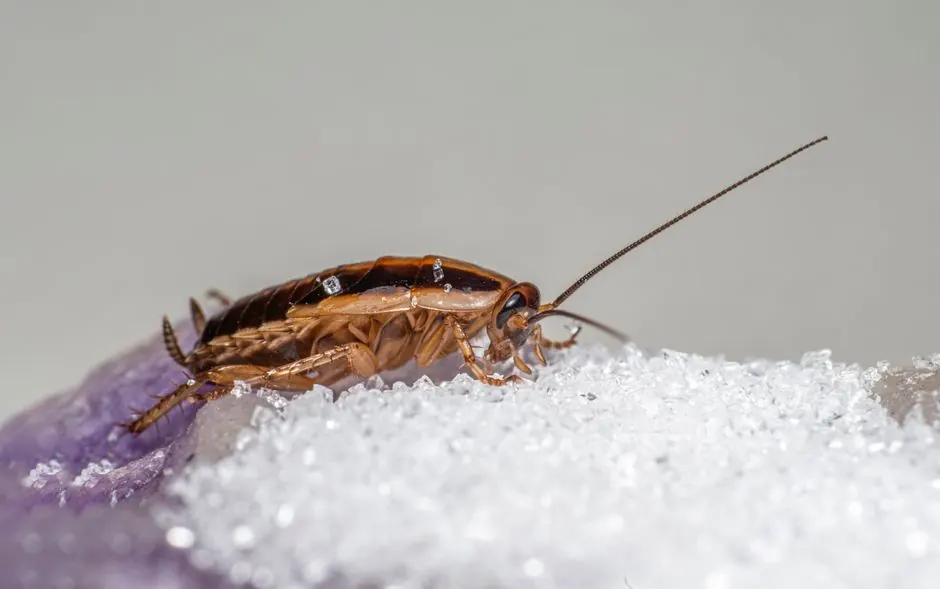
Pest control is the process of managing and eliminating pests that can harm your property or health. In Chesapeake, common pests include ants, rodents, termites, and cockroaches. Understanding the type of pest you are dealing with can help you take appropriate measures before the treatment begins.
Preparing Your Home
Before the pest control team arrives, there are several steps you should take to prepare your home:
- Clear the Area: Move furniture and items away from walls and corners where pests are likely to hide. This will give the pest control technician access to these areas.
- Clean Your Home: Vacuum and clean surfaces to remove food particles and debris that attract pests. Pay attention to kitchens, dining areas, and pet feeding spots.
- Secure Food and Dishes: Store all food in sealed containers and remove pet dishes. This prevents contamination and ensures the effectiveness of the treatment.
- Remove Clutter: Declutter your home to eliminate hiding spots for pests. This includes removing boxes, newspapers, and other items from floors and under furniture.
- Check for Leaks: Fix any leaks or moisture issues, as pests are attracted to water sources. Inspect plumbing under sinks and around appliances.
Following these steps will help create a pest-free environment for the treatment. For homeowners in Pest Control in Chesapeake, these preparations are essential for effective pest management.
What to Expect During Treatment
During the pest control treatment, you can expect the following:
- Inspection: The technician will conduct a thorough inspection of your home to identify pest entry points and nesting areas.
- Treatment Application: Depending on the type of pest, the technician may use sprays, traps, or baits. They will explain the products used and their safety.
- Post-Treatment Instructions: After the treatment, the technician will provide instructions on what to do next, such as when to clean surfaces or how long to stay out of treated areas.
Understanding these steps will help you feel more comfortable during the process. If you have specific concerns, don't hesitate to ask your pest control technician.
Common Mistakes to Avoid
When preparing for pest control, homeowners often make several common mistakes that can hinder the effectiveness of the treatment:
- Ignoring Pre-Treatment Instructions: Always follow the guidelines provided by your pest control company. Ignoring them can lead to ineffective treatment.
- Not Communicating with the Technician: Be open about any previous pest issues or treatments. This information is crucial for a successful pest management strategy.
- Reintroducing Pests Too Soon: After treatment, avoid bringing in new items or furniture that may harbor pests. Wait until the area is confirmed pest-free.
Avoiding these mistakes will help ensure that your pest control treatment is successful.
When to Call a Professional
If you notice signs of a pest infestation, it's essential to call a professional. Common indicators include droppings, damage to property, and the presence of nests. Virginia Pest Pros offers comprehensive pest control services to address these issues effectively. Early intervention can prevent more extensive damage and costly repairs.
Frequently Asked Questions
How long does pest control treatment take?
Most treatments can be completed within a few hours, but the total time may vary based on the severity of the infestation and the type of pest involved.
Is pest control safe for pets and children?
Yes, most pest control treatments are safe for pets and children when applied correctly. Always ask your technician about safety measures and any precautions you should take.
How often should I schedule pest control?
The frequency of pest control services depends on the type of pests and your specific situation. Generally, quarterly treatments are recommended for ongoing prevention.
What should I do after pest control treatment?
Follow the post-treatment instructions provided by your technician. This may include waiting a specific time before cleaning or reintroducing furniture.
Can I handle pest control myself?
While DIY methods are available, professional pest control is often more effective, especially for severe infestations. Professionals have access to stronger products and methods.
Get help with Pest Control in Chesapeake
If you're ready to eliminate pests from your home, contact Virginia Pest Pros for expert assistance. Our team is here to help you achieve a pest-free environment. Call us at (866) 605 4304.