Encountering bees and wasps on your property can be alarming. While these insects play essential roles in pollination, their presence can pose risks, especially if they build nests close to human activity. This guide will help you understand how to safely remove bees and wasps from your property in Hampton, ensuring both your safety and that of the insects.
Understanding Bees and Wasps
Bees and wasps are often confused, but they have distinct characteristics and behaviors. Bees are generally more docile and are vital for pollination, while wasps can be more aggressive, especially when defending their nests. Understanding these differences is crucial for safe removal.
Identifying the Problem
The first step in addressing a bee or wasp issue is identifying their presence. Look for the following signs:
- Visible nests in trees, eaves, or sheds.
- Frequent sightings of bees or wasps in your yard.
- Increased activity around garbage or food sources.
In Hampton, homeowners often report wasp nests in sheltered areas, particularly during late summer when their populations peak. If you notice these signs, it's time to consider removal options.
Safe Removal Techniques
When it comes to removing bees and wasps, safety should always be your priority. Here are some effective methods:
1. Natural Deterrents
Using natural deterrents can help keep bees and wasps away without harming them. Consider:
- Planting mint or citronella, which are known to repel these insects.
- Using vinegar traps to attract and capture wasps without chemicals.
2. Removing Food Sources
Bees and wasps are attracted to food. Ensure that:
- Garbage is sealed tightly.
- Outdoor food is covered during gatherings.
By eliminating food sources, you can reduce their attraction to your property.
3. Relocation of Nests
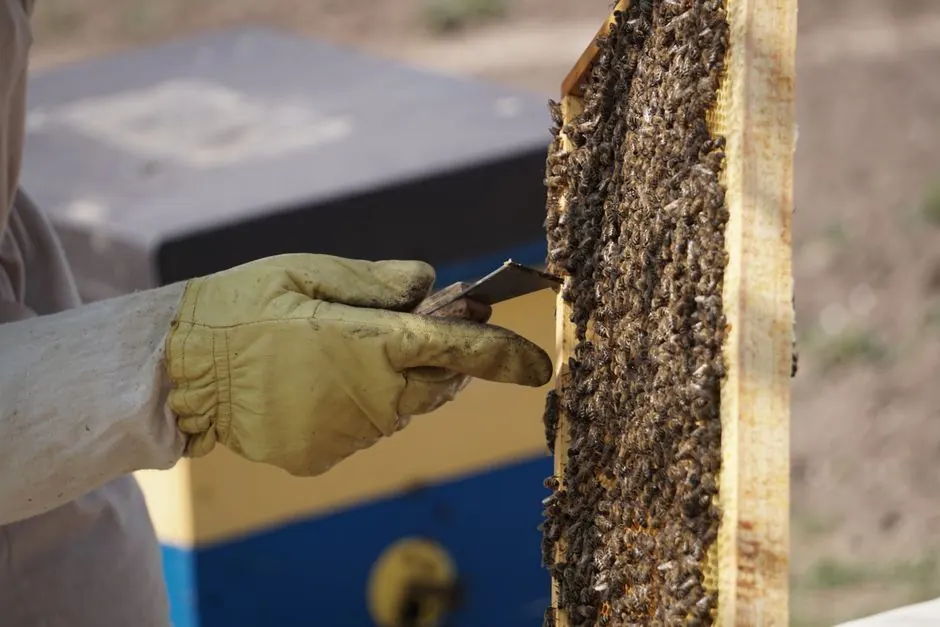
If you find a nest, consider relocating it instead of destroying it. This is especially important for bee colonies, as they are essential for the ecosystem. Use a professional service for safe relocation. Virginia Pest Pros specializes in Bees and Wasp Control in Virginia, ensuring safe handling of these insects.
4. Protective Gear
If you choose to remove a nest yourself, wear protective clothing to minimize the risk of stings. Long sleeves, pants, and a veil can provide necessary protection.
What to Watch Out For
When dealing with bees and wasps, be aware of common mistakes that can lead to dangerous situations:
- Attempting to remove a nest at night when insects are less active can backfire, as they may become agitated.
- Using insecticides can harm beneficial bee populations and should be avoided unless absolutely necessary.
- Ignoring allergies: If you or anyone in your household is allergic to stings, seek professional help immediately.
When to Call a Professional
There are times when DIY methods are insufficient or unsafe. If you notice a large nest or if bees are aggressive, it's best to call a professional. Virginia Pest Pros offers expert services for Pest Control in Hampton, ensuring safe and effective removal of bees and wasps from your property.
Frequently Asked Questions
1. How can I tell if I have bees or wasps?
Check for nests and observe their behavior. Bees are usually more docile and focus on flowers, while wasps can be more aggressive and often scavenge for food.
2. Are bees harmful to my home?
Bees are generally not harmful unless provoked. However, their nests can cause structural issues if they are built in walls or roofs.
3. What should I do if I get stung?
Remove the stinger if it's present, clean the area, and apply ice to reduce swelling. Seek medical attention if you experience severe reactions.
4. Can I remove a nest myself?
While it's possible, it's risky. If you're unsure or allergic, it's safer to call professionals who can handle the situation effectively.
5. How much does professional removal cost?
Costs can vary based on the nest size and location. It's best to contact Virginia Pest Pros for a quote tailored to your situation.